
Bordeaux
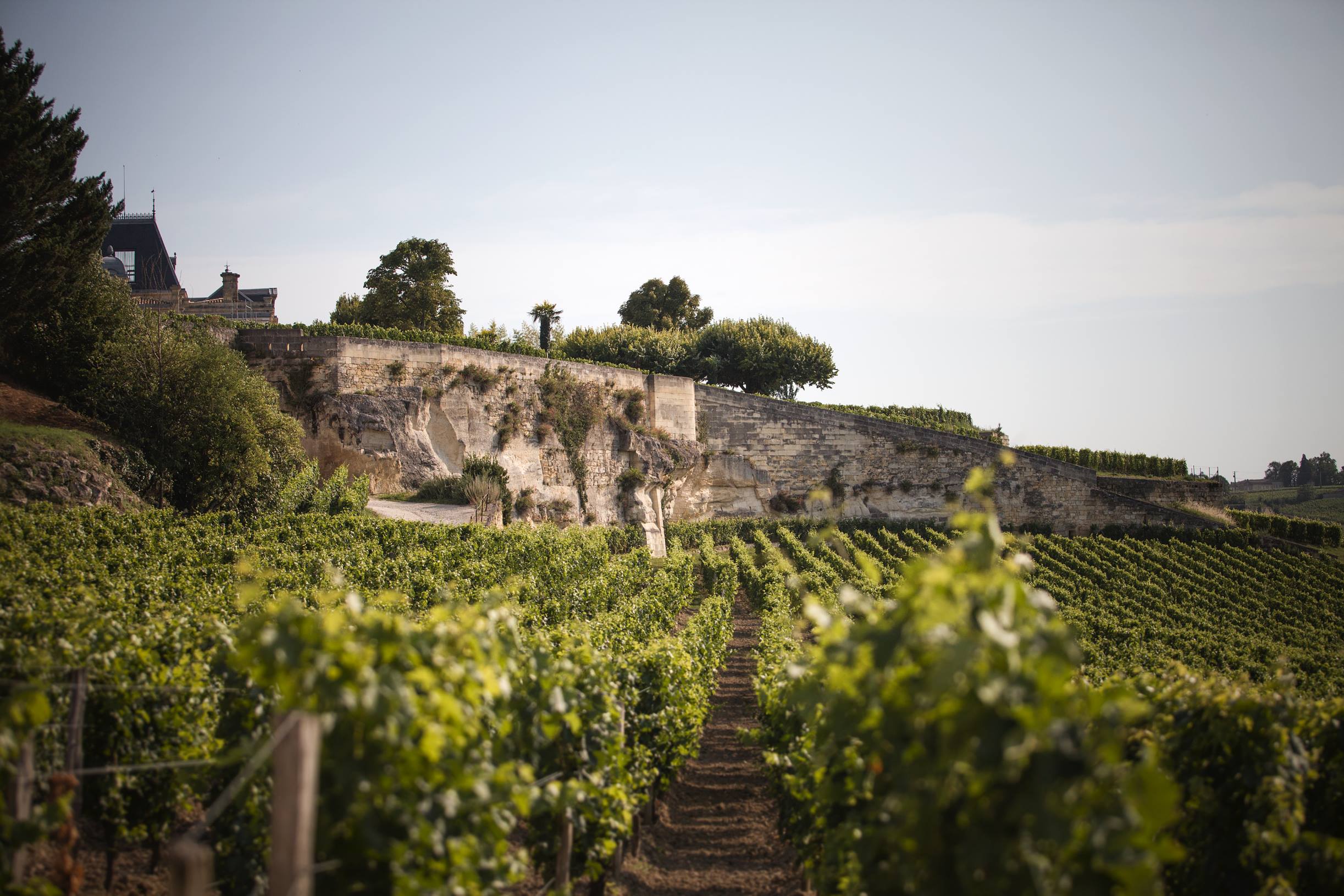
Château Ausone is one of the most ancient and revered estates in Bordeaux, located on the limestone plateau overlooking the town of Saint-Émilion. Premier Grand Cru Classé A, it consistently produces some of the most age-worthy and intellectually complex wines of the Right Bank.
The vineyard of Château Ausone extends over just 7.26 hectares on the steep south-facing limestone slopes and plateau of Saint-Émilion. The soils, composed primarily of clay, limestone and marl, sit above a deep network of limestone bedrock that plays a fundamental role in the wine's distinctive mineral signature.
The vineyard is planted with approximately two-thirds Cabernet Franc and one-third Merlot, a composition that reinforces the wine's characteristic precision, aromatic lift and structural elegance. Old vines, with an average age well over forty years, naturally produce very low yields.

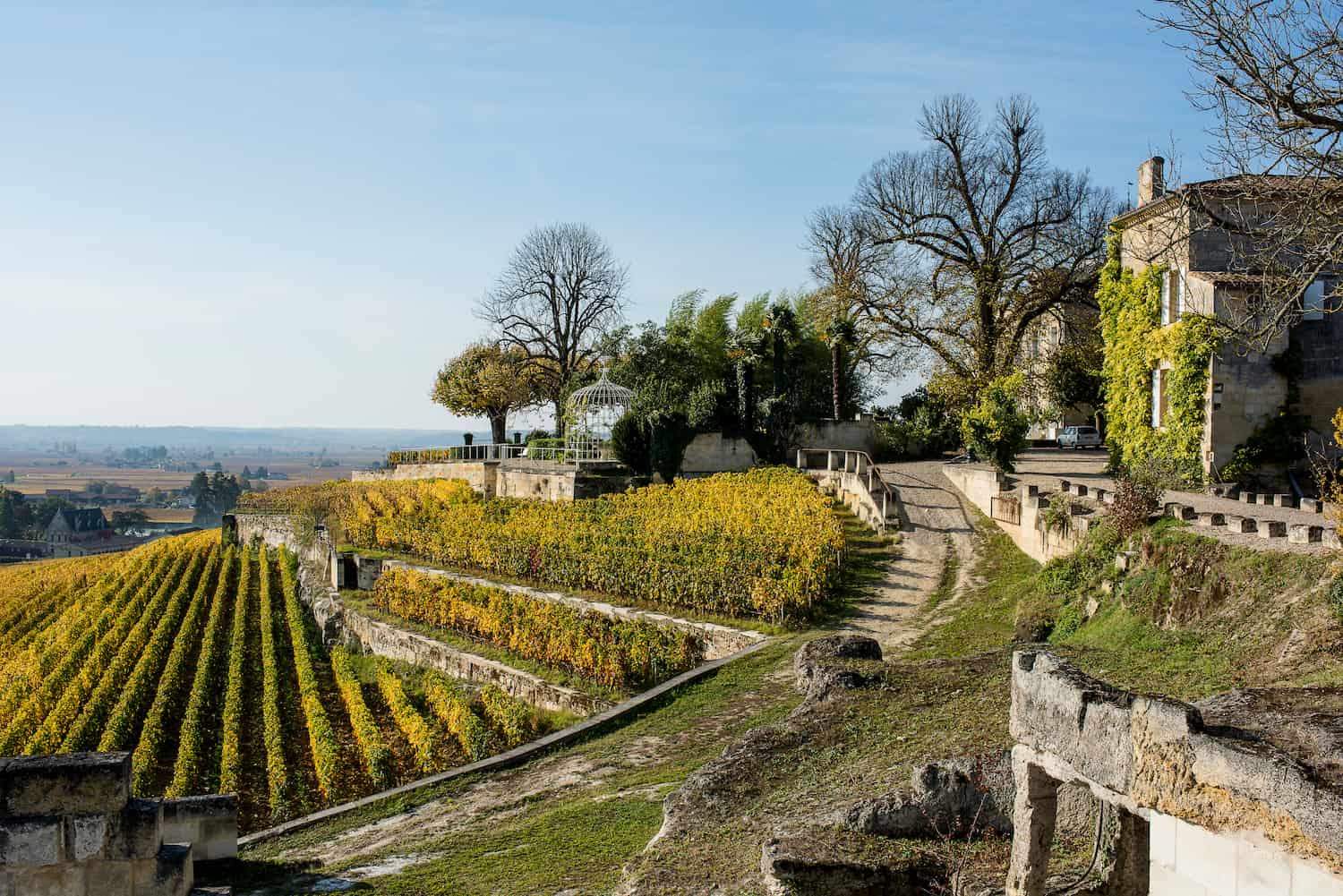
At Château Ausone, vineyard work is guided by meticulous observation and a long-term commitment to soil health and vine balance. Harvesting is carried out entirely by hand, with rigorous sorting both in the vineyard and at the cellar.
Vinification follows a precise and restrained philosophy designed to preserve the terroir rather than shape the wine through technique. Fermentations take place parcel by parcel. Élevage in French oak barrels, with a proportion of new oak, lasts eighteen months. The wines are bottled with minimal intervention to preserve purity and precision.
The greatest vintages can evolve effortlessly for more than half a century, placing Château Ausone among the most age-worthy and collectible wines ever produced in Bordeaux.
The Vauthier family has shaped the identity of Château Ausone since 1690, through a philosophy centred on terroir, precision and long-term vision. Today, Alain Vauthier and his eldest daughter Pauline, the eleventh generation of the family's winemaking lineage, craft the wines of Château Ausone, while also managing the family's five other estates.
.jpg)
%20(1).jpg)
.jpg)
%20(1).jpg)