Bordeaux
.jpg)
Château Lafite Rothschild embodies a form of restraint that has become increasingly rare in Bordeaux. For more than three centuries, the estate has pursued a singular idea: that true greatness lies not in power, but in precision, balance and the ability to evolve. Owned by the Rothschild family since 1868, Lafite stands among the five First Growths of the 1855 Classification, yet its identity has always remained distinct.
Château Lafite Rothschild benefits from an exceptional location near the Gironde estuary, whose influence plays a key role in the vineyard's balance and ripening conditions. Covering approximately 112 hectares divided across three main sectors, the vineyard extends from the gravel slopes surrounding the château to the Carruades plateau further west, as well as a separate parcel in the neighbouring commune of Saint-Estèphe.
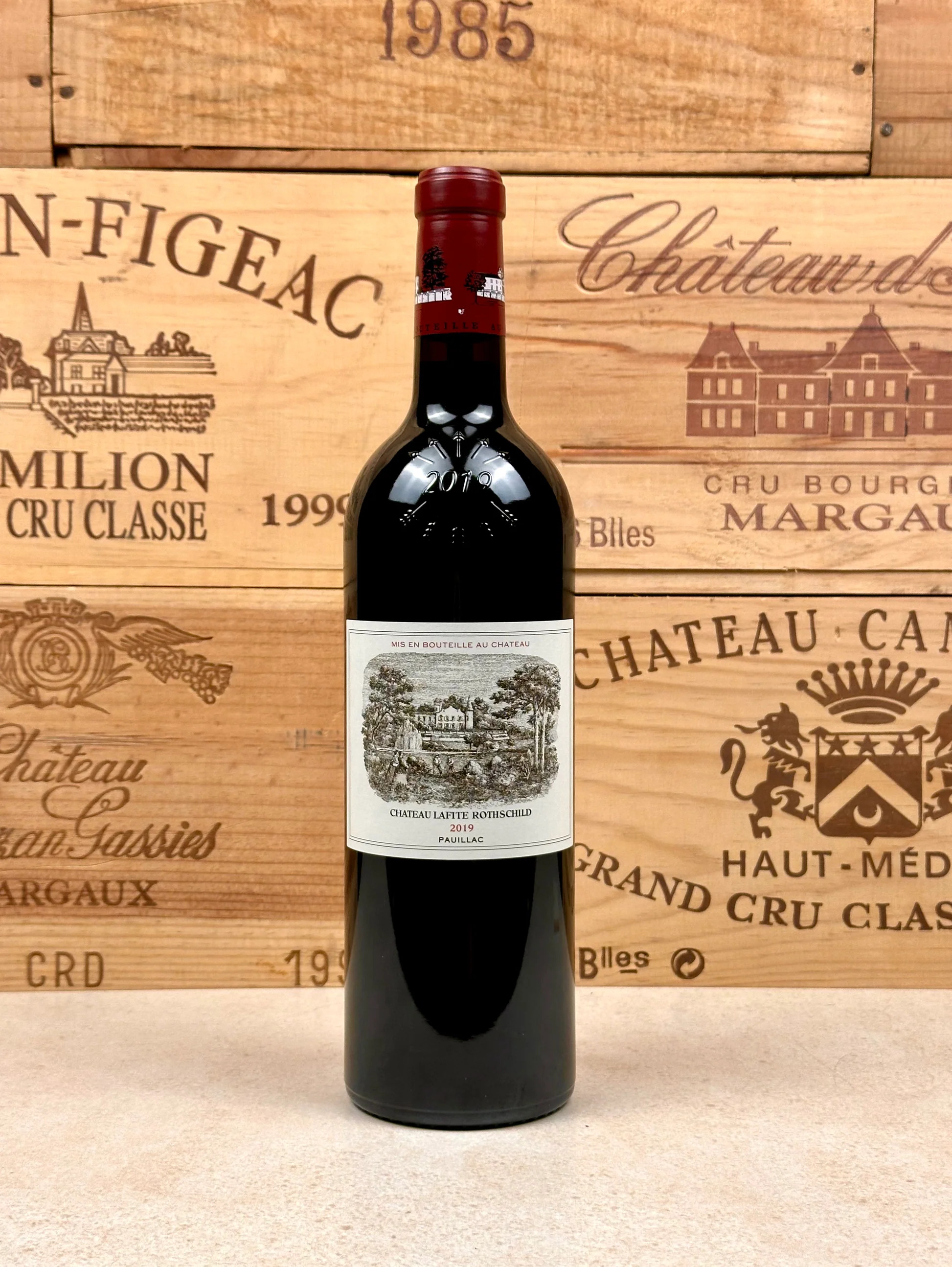
The estate produces two wines: the Grand Vin Château Lafite Rothschild and its second wine, Carruades de Lafite. The Grand Vin is built predominantly around Cabernet Sauvignon, which thrives on the estate's deep gravel soils and gives the wine its signature structure, freshness and remarkable ageing capacity. The finest vintages combine graphite, cedar, cassis and tobacco notes with a level of refinement that has long distinguished Lafite among the First Growths of Bordeaux.

Viticulture at Château Lafite Rothschild is guided by long-term vineyard stewardship and meticulous parcel management. Harvesting is carried out entirely by hand, with rigorous grape selection both in vineyard and cellar. Each parcel is vinified separately to preserve the identity and balance of the terroirs before blending.
Fermentations take place in a combination of stainless steel, concrete and wooden vats adapted to the profile of each vineyard parcel. The wines are then aged in French oak barrels, with a significant proportion of new oak integrated carefully to preserve balance and finesse. The finest vintages of Château Lafite Rothschild can age effortlessly for several decades, and often well beyond half a century.
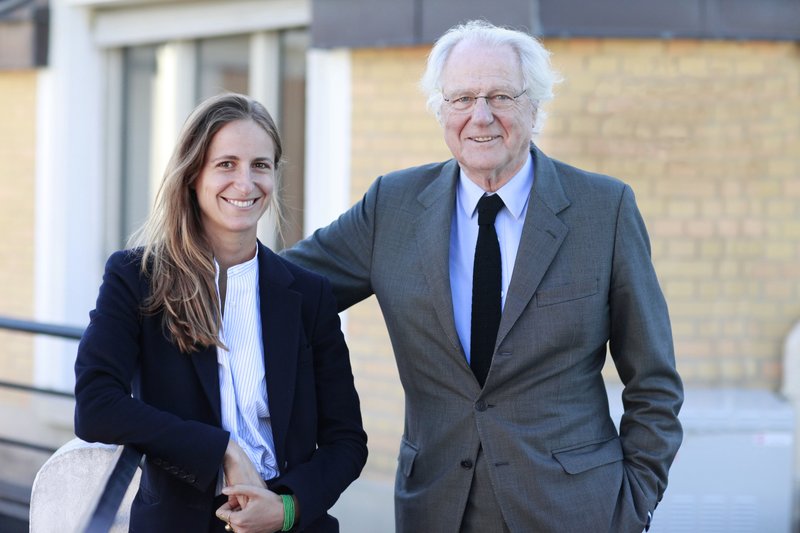
The history of Château Lafite Rothschild dates back to the 17th century, when Jacques de Ségur began developing the vineyard on the gravel hillsides of Pauillac. In 1868, Baron James de Rothschild acquired Château Lafite, marking the beginning of the Rothschild era that continues today. Across six generations, the family progressively modernised the estate while preserving its identity and international prestige, including the construction of the iconic circular winery designed by Ricardo Bofill in 1987. Today, under the direction of Saskia de Rothschild, Château Lafite Rothschild remains one of the most emblematic and collectible wines in the world.