
Bordeaux
Château Lafleur occupies a singular place within Pomerol and the Bordeaux Right Bank. Despite its small size and discreet profile, the estate is regarded among collectors and critics as one of the most profound and age-worthy wines of Bordeaux, combining the depth of Merlot with the tension and aromatic lift brought by Cabernet Franc.
The vineyard covers only around 4.5 hectares, making Château Lafleur one of the smallest great estates of Bordeaux. Located near Petrus and La Fleur-Pétrus on the Pomerol plateau, the vineyard rests on a rare mosaic of gravel and clay soils that plays a central role in the singular identity of the wine.
Unlike many estates in Pomerol dominated almost entirely by Merlot, Lafleur maintains a significant proportion of Cabernet Franc alongside Merlot. This balance contributes freshness, structure and remarkable ageing potential, giving the wines a profile often considered more linear and mineral than many of their neighbours. The old vines of Lafleur naturally produce extremely low yields, reinforcing the concentration and depth of the wines without sacrificing precision.
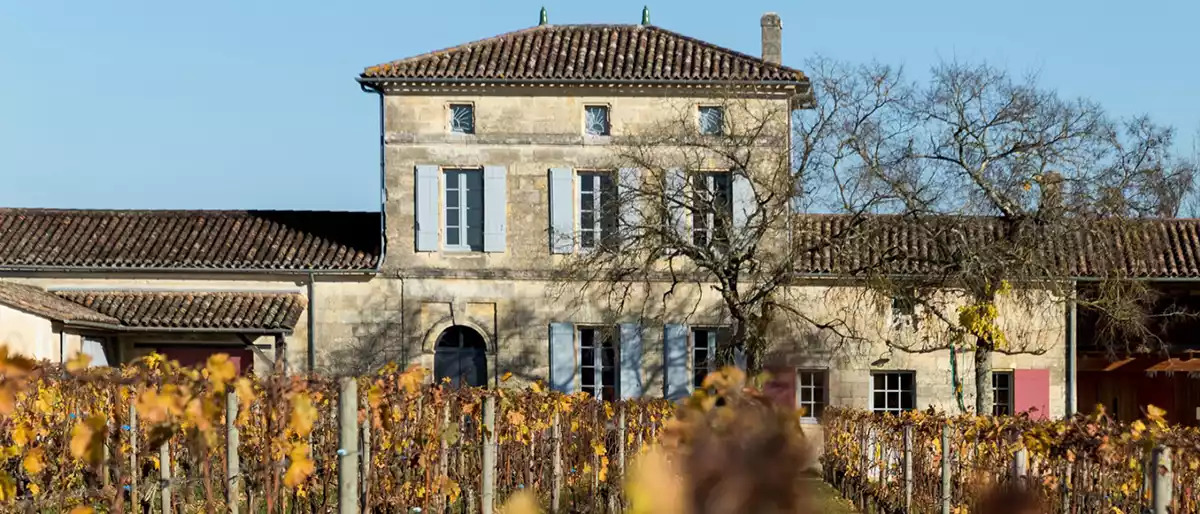
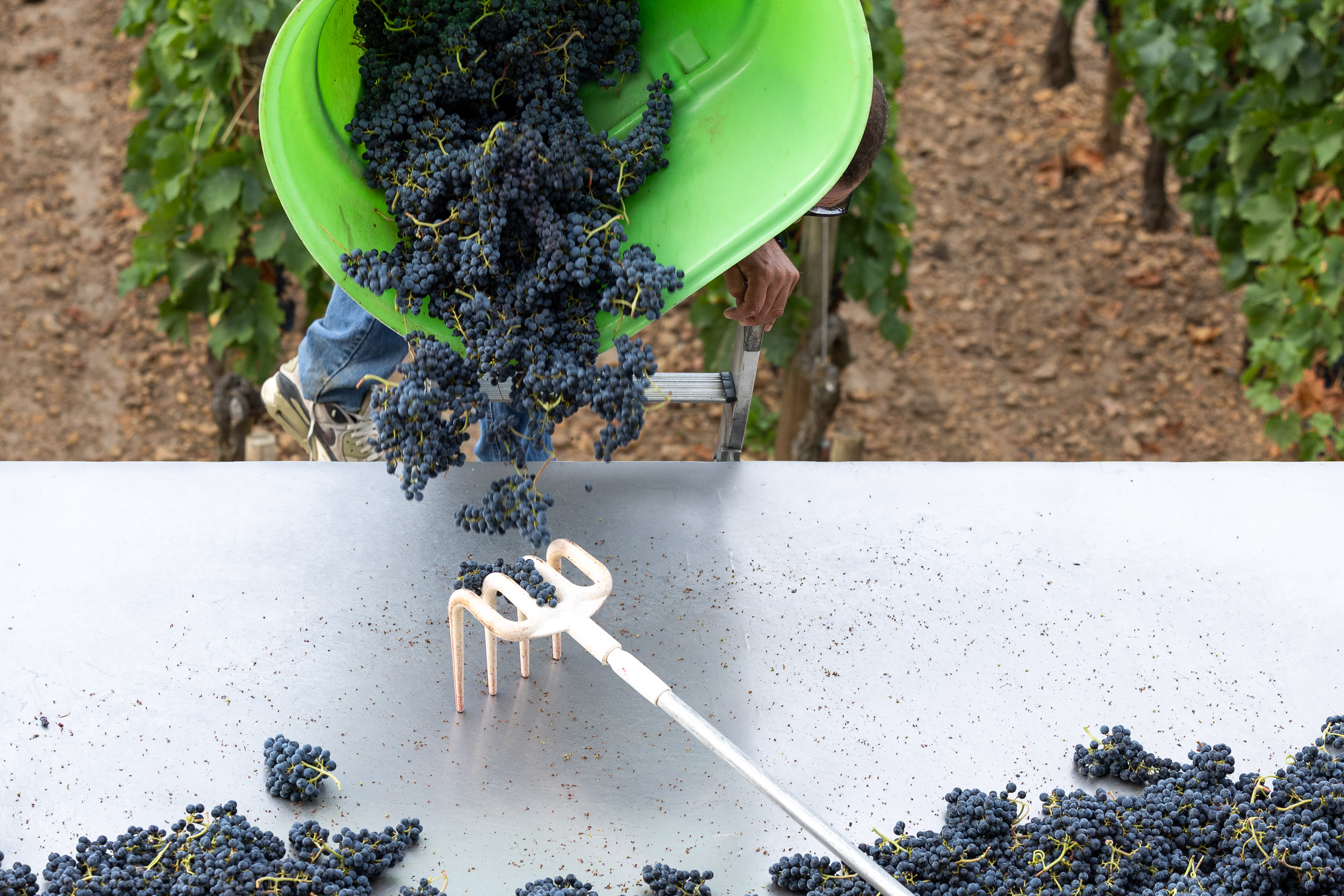
Viticulture at Château Lafleur is guided by meticulous observation and an uncompromising attention to detail. The Guinaudeau family places particular emphasis on soil health, balanced vine growth and preserving the individuality of each parcel. Harvesting is carried out entirely by hand with rigorous grape selection.
Vinification follows a restrained and precise philosophy designed to preserve the character of the terroir. Fermentations take place parcel by parcel using traditional concrete vats. Extractions remain gentle, favouring precision and tannic finesse over excess concentration. The wines are then aged in French oak barrels with careful integration of new oak to preserve freshness and balance.
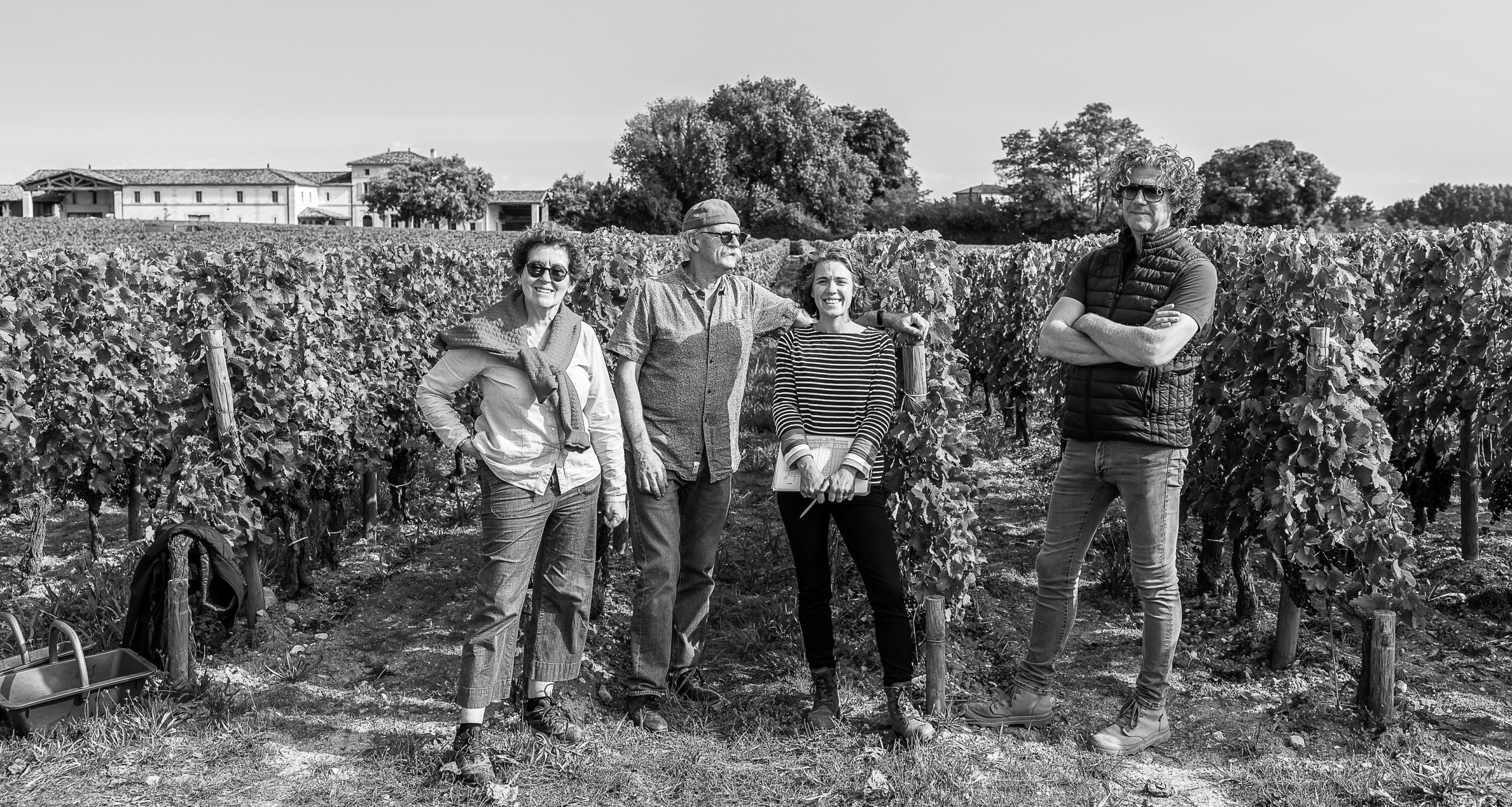
The Guinaudeau family has shaped the identity of Château Lafleur for several generations. Under Jacques and Sylvie Guinaudeau, and today with Baptiste and Julie Guinaudeau, the estate has become one of the most respected and intellectually admired wines of Bordeaux among collectors, sommeliers and critics worldwide. Rather than pursuing expansion or visibility, the family has consistently maintained a highly artisanal and terroir-focused approach.
.jpg)
.jpg)
