Champagne
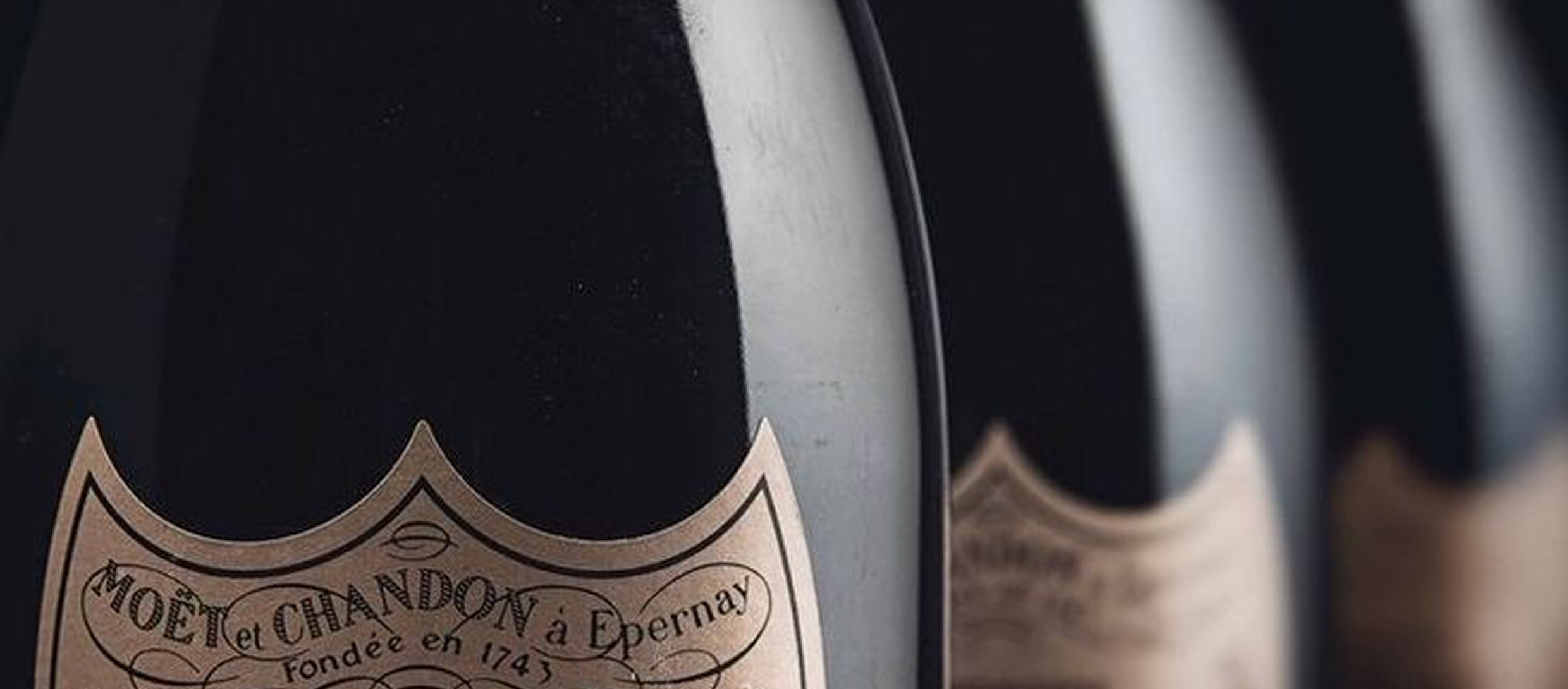
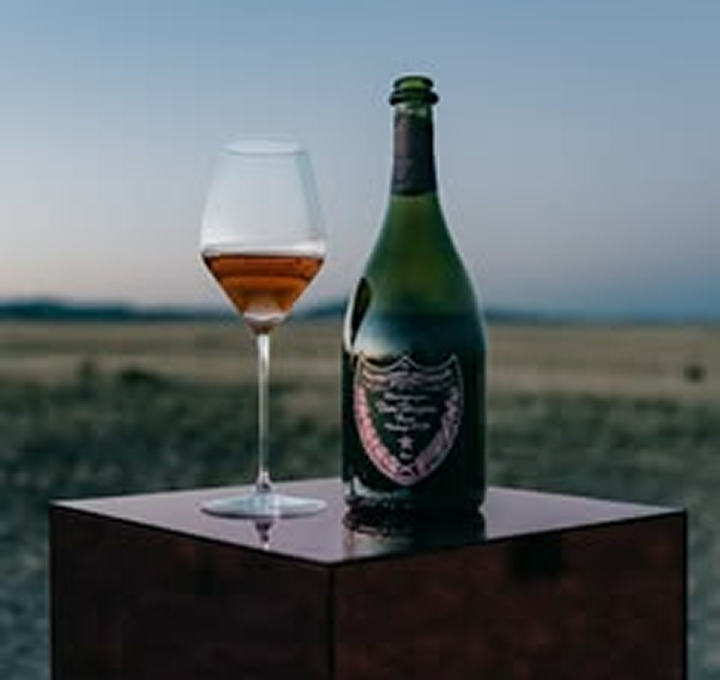
Every bottle is the expression of a single year, released only when the vintage reaches the Maison's standard of harmony, depth and precision. Since its first commercial vintage in 1921, fewer than fifty years have been declared. In the world of prestige Champagne, that discipline is part of the signature.
Dom Pérignon is produced exclusively as a vintage Champagne, meaning each release comes from a single harvest year. If the quality and balance of the vintage are not considered sufficient, no wine is produced under the Dom Pérignon label.
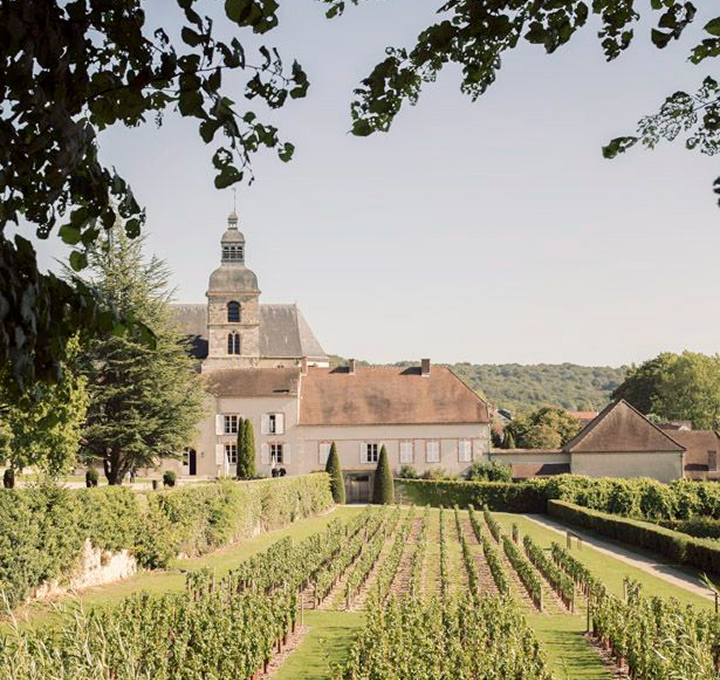
The blend is traditionally built around Pinot Noir and Chardonnay sourced from Grand Cru and Premier Cru villages across Champagne. Pinot Noir, mainly from the Montagne de Reims, brings structure, depth and length. Chardonnay, particularly from the Côte des Blancs, contributes freshness, minerality and precision. Each plot is vinified separately before blending, allowing the cellar team to work with a broad range of base wines that reflect the diversity of the region.

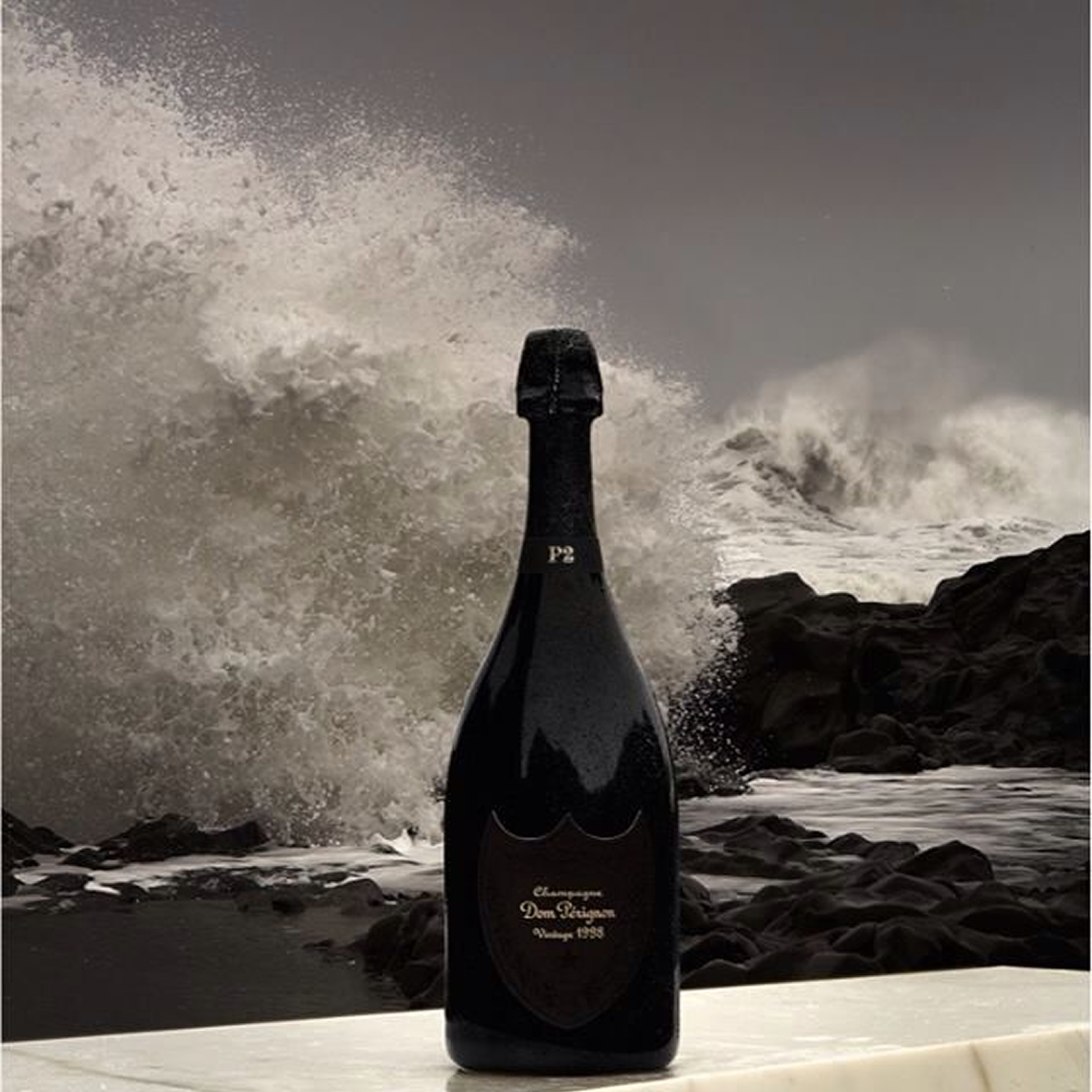
Dom Pérignon's defining concept is the idea of Plénitude: the belief that the same vintage reveals different dimensions of itself over time.
The first release, P1, appears after around eight years on lees, showing freshness, citrus, white fruit, brioche and a marked mineral tension. P2 is released after extended ageing, generally around fifteen years after the vintage, bringing greater depth, broader texture and more aromatic complexity. P3 represents the final stage of evolution and is typically released after several decades, developing a layered and tertiary profile with notes of dried flowers, tobacco, truffle, iodine and mineral salinity.
Rather than producing different cuvées, the Plénitudes reflect different moments in the life of the same wine. Each stage offers a distinct reading of the vintage, shaped by time, lees ageing and the slow evolution of the Champagne in bottle.
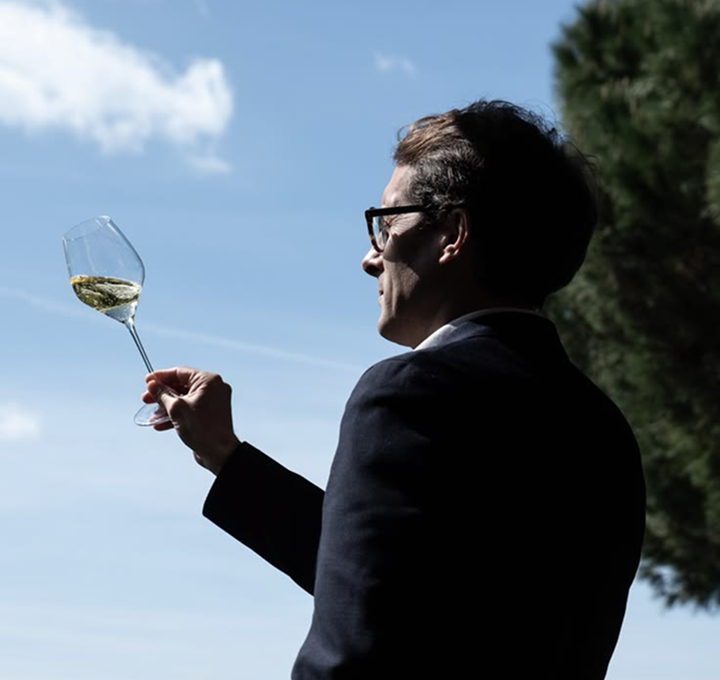
Richard Geoffroy joined Dom Pérignon in 1990 before becoming Chef de Cave in 1996, a position he held for more than twenty years. During his time at the Maison, he profoundly shaped the modern identity of Dom Pérignon, developing a philosophy centred on harmony, energy and long ageing. He was also the architect behind the concept of Plénitude. Vincent Chaperon joined the Maison in 2005 and worked alongside Richard Geoffroy for more than fifteen years before officially succeeding him as Chef de Cave in 2019.
Lorem ipsum dolor sit amet, consectetur adipiscing elit. Quisque dapibus nunc ac sapien imperdiet laoreet. Phasellus volutpat auctor metus, pharetra fringilla lorem pharetra a. Proin dapibus viverra placerat. Proin felis elit, blandit in faucibus vel, commodo at libero. Vestibulum euismod blandit diam, suscipit auctor turpis gravida et.
Moët & Chandon