
Burgundy
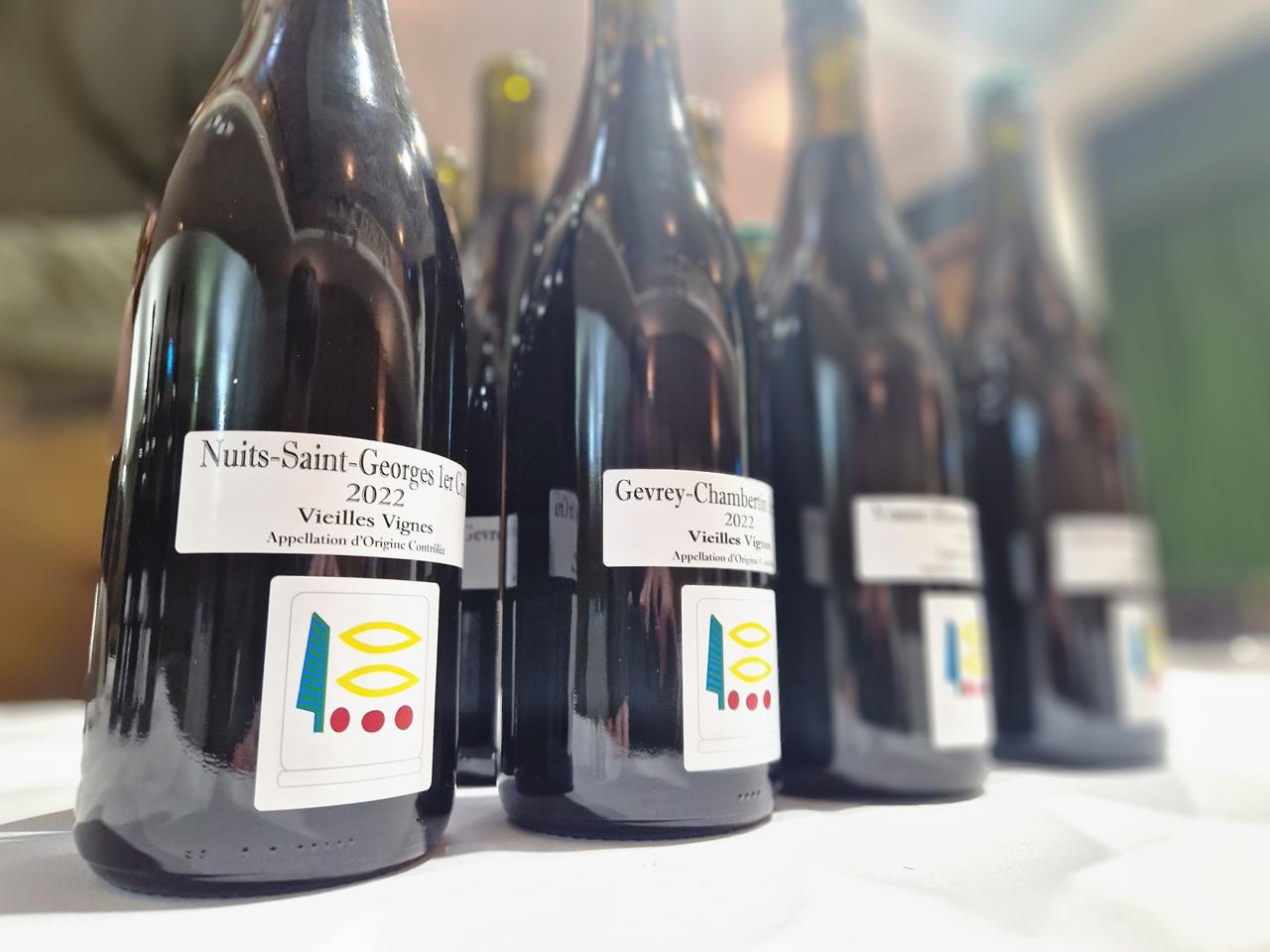
One of the early visionaries of the Côte de Nuits, now firmly regarded among its reference point producers. Domaine Prieuré Roch occupies a singular position within contemporary Burgundy. Founded in 1988 by Henry-Frédéric Roch, who served for nearly three decades as co-director of Domaine de la Romanée-Conti, the estate was conceived not as an extension of an established institution but as a personal and philosophical project.
Deeply influenced by his grandfather Henry Leroy, founder of Maison Leroy and co-owner of Domaine de la Romanée-Conti from 1942, Henry-Frédéric Roch pursued a vision centred on the purest and most natural expression of Pinot Noir from Burgundy's great terroirs.
The estate is located primarily in the Côte de Nuits, with vineyards across Nuits-Saint-Georges, Vosne-Romanée, Gevrey-Chambertin and Vougeot. Its identity is built around several key monopoles, most notably Clos des Corvées, Clos Goillotte and Clos des Varoilles.
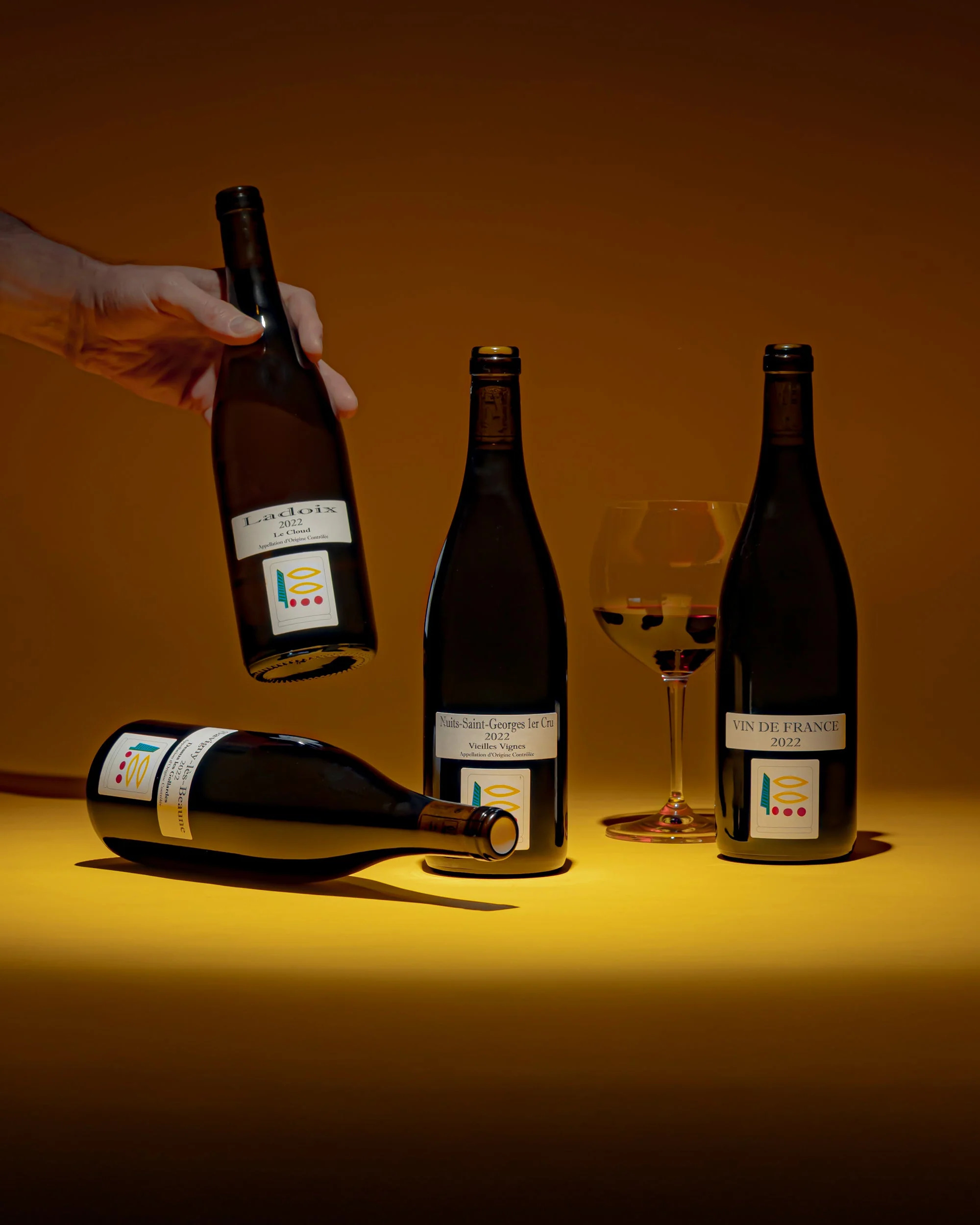
Nuits-Saint-Georges remains the historic center of the domaine, notably through 0.69 hectares of Clos des Argillières and 5.21 hectares of the monopole Clos des Corvées, which produces structured and age-worthy wines rooted in clay-limestone soils and old vines. In contrast, Clos Goillotte, a tiny parcel in Vosne-Romanée, delivers a more precise and delicate expression shaped by limestone-rich soils and naturally low yields. In Gevrey-Chambertin, Clos des Varoilles brings a broader and deeper profile while preserving the freshness and balance that define the domaine's style. The estate has also expanded into the Côte de Beaune with vineyards in Ladoix (2010) and Savigny-les-Beaune (2018).
.jpg)
Henry-Frédéric Roch was influenced early on by growers such as Marcel Lapierre and Pierre Overnoy, whose approach to farming and vinification helped shape the philosophy of the domaine.
Organic and biodynamic principles progressively became central to vineyard work. Herbicides are not used, soils are ploughed mechanically and harvests are carried out manually with careful sorting in both vineyard and cellar. One of the defining characteristics of Prieuré Roch is the systematic use of whole-cluster fermentation for all red wines. At the domaine, this approach is not treated as a stylistic trend but as an essential part of the wines' balance and structure. It contributes freshness, aromatic lift and length while preserving the character of the vineyard. Vinifications rely on indigenous yeasts, extraction remains gentle and sulphur use is kept deliberately low. The wines are then aged in French oak barrels with limited intervention before bottling.
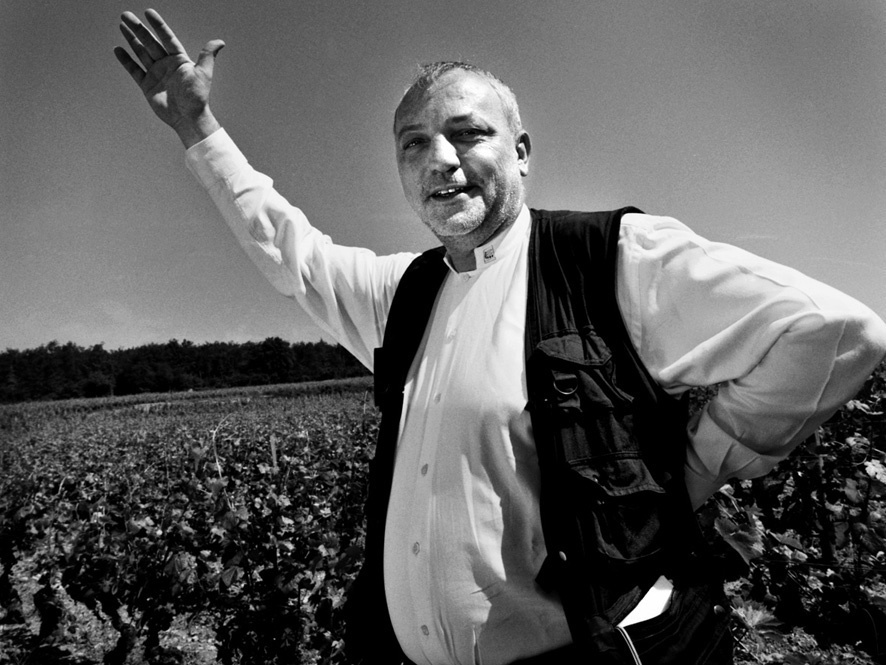
Henry-Frédéric Roch played an important role in the evolution of modern Burgundy, particularly in the way growers approached low-intervention viticulture and cellar work. His vision was shaped less by technical winemaking than by the condition of the vineyard itself. He believed that balance in the wine could only come from healthy soils, controlled yields and fully ripe fruit. Even after his passing in 2018, the influence of his approach remains visible across a generation of Burgundy producers working with organic farming, whole-cluster fermentations and minimal intervention practices. Today, the Domaine is co-managed by Yannick Champ, who joined the estate in 2002 before becoming co-manager in 2010. Working closely alongside Henry-Frédéric Roch for many years, he has played a central role in preserving the domaine's viticultural philosophy and stylistic continuity.
%20(1).jpg)
.jpg)
.jpg)