Burgundy

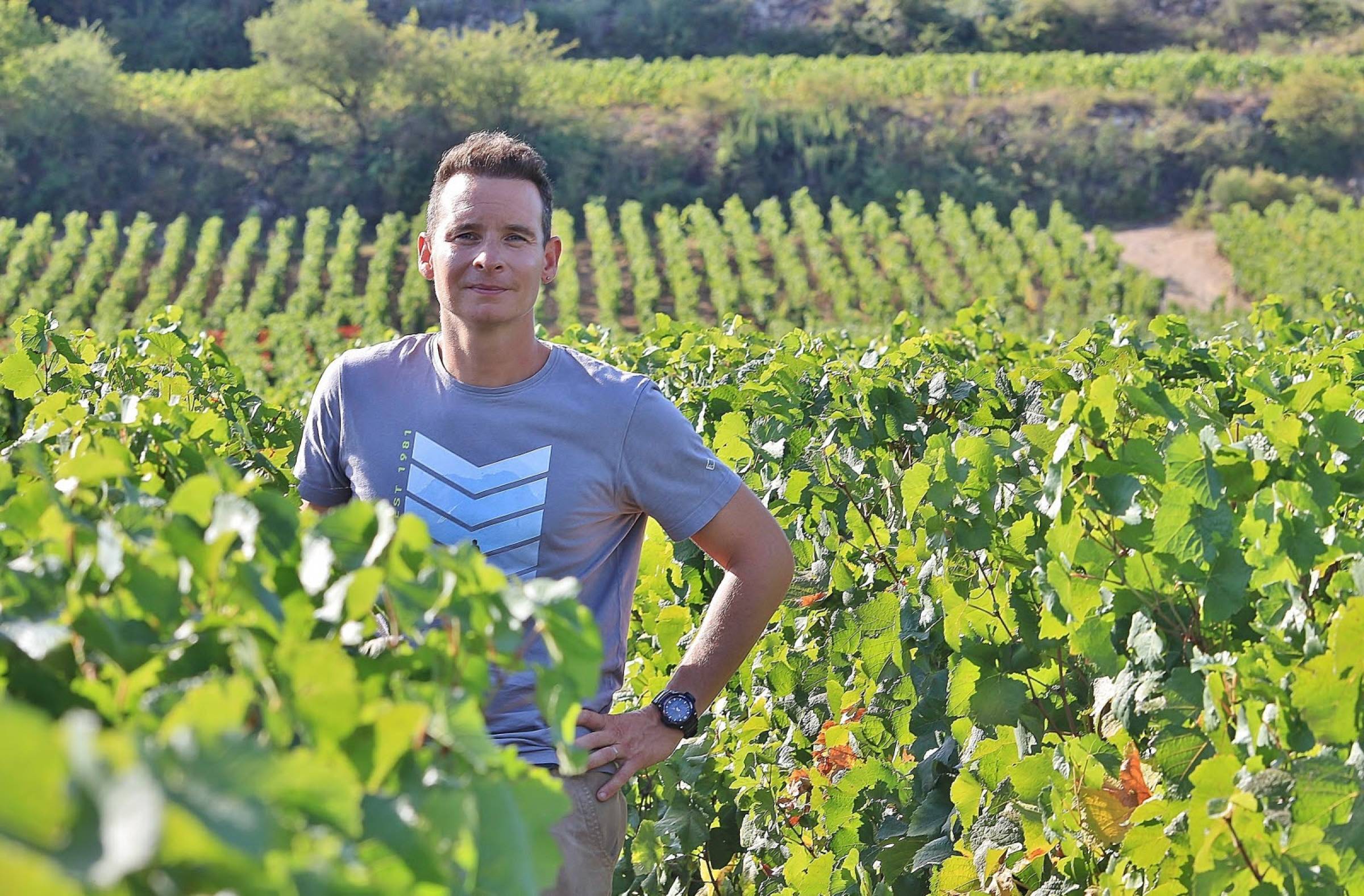
Today led by Nicolas Groffier, the domaine produces generous, perfumed Pinot Noirs from Chambolle and beyond, with depth, silkiness, and striking terroir expression.
Domaine Robert Groffier & Fils is based in Chambolle-Musigny in the heart of the Côte de Nuits. Although the family’s viticultural history dates back to the 19th century, the estate’s independent identity truly emerged after the Second World War, when Robert Groffier began bottling under his own label rather than selling the majority of the harvest to négociants. This decision marked a decisive shift toward parcel expression and qualitative control. Over time, carefully positioned holdings in Chambolle-Musigny and Gevrey-Chambertin shaped the estate’s stylistic coherence. Today, the domaine covers approximately eight hectares, with major holdings in: Les Amoureuses Premier Cru (Chambolle-Musigny), Bonnes-Mares Grand Cru, Chambertin Grand Cru and Chambertin Clos de Bèze Grand Cru. This combination allows the estate to articulate a complete reading of both Chambolle finesse and Gevrey structure.
Terroirs
Les Amoureuses – Chambolle-Musigny Premier Cru
Located directly beneath Musigny Grand Cru, Les Amoureuses rests on fine limestone soils with a high proportion of limestone scree. These shallow soils encourage precision and aromatic lift. The Groffier parcel includes mature vines, many over forty years old. The wine expresses silk-like tannins, floral aromatics (violet and rose), and refined red fruit. Its structure is delicate but persistent.
Bonnes-Mares – Grand Cru
The domaine’s parcel is located on the Chambolle side of Bonnes-Mares, on soils composed of red clay mixed with limestone. This composition contributes depth and structural breadth. Compared to Les Amoureuses, Bonnes-Mares offers greater mid-palate density and ageing capacity, frequently exceeding twenty-five years in balanced vintages. Despite its structure, the wine retains precision and avoids heaviness.
Chambertin – Grand Cru
Domaine Robert Groffier also owns a parcel in Chambertin Grand Cru, one of the most emblematic vineyards of Gevrey-Chambertin. The deep marl-limestone soils produce wines of power and architectural depth. The Chambertin expresses black fruit intensity, structured tannins and vertical structure. In youth, it may show firm density and dark spice; with age, it evolves toward undergrowth, truffle and subtle leather notes. Chambertin at Groffier is defined by depth and authority.
Chambertin Clos de Bèze – Grand Cru
The parcel in Clos de Bèze offers a different expression. The soils are slightly less massive and often show a higher limestone component compared to parts of Chambertin. Clos de Bèze tends to present greater aromatic finesse and progressive complexity. Where Chambertin is built on structural depth and power, Clos de Bèze often emphasizes nuance, lift and layered development over time. The two wines complement rather than duplicate each other.
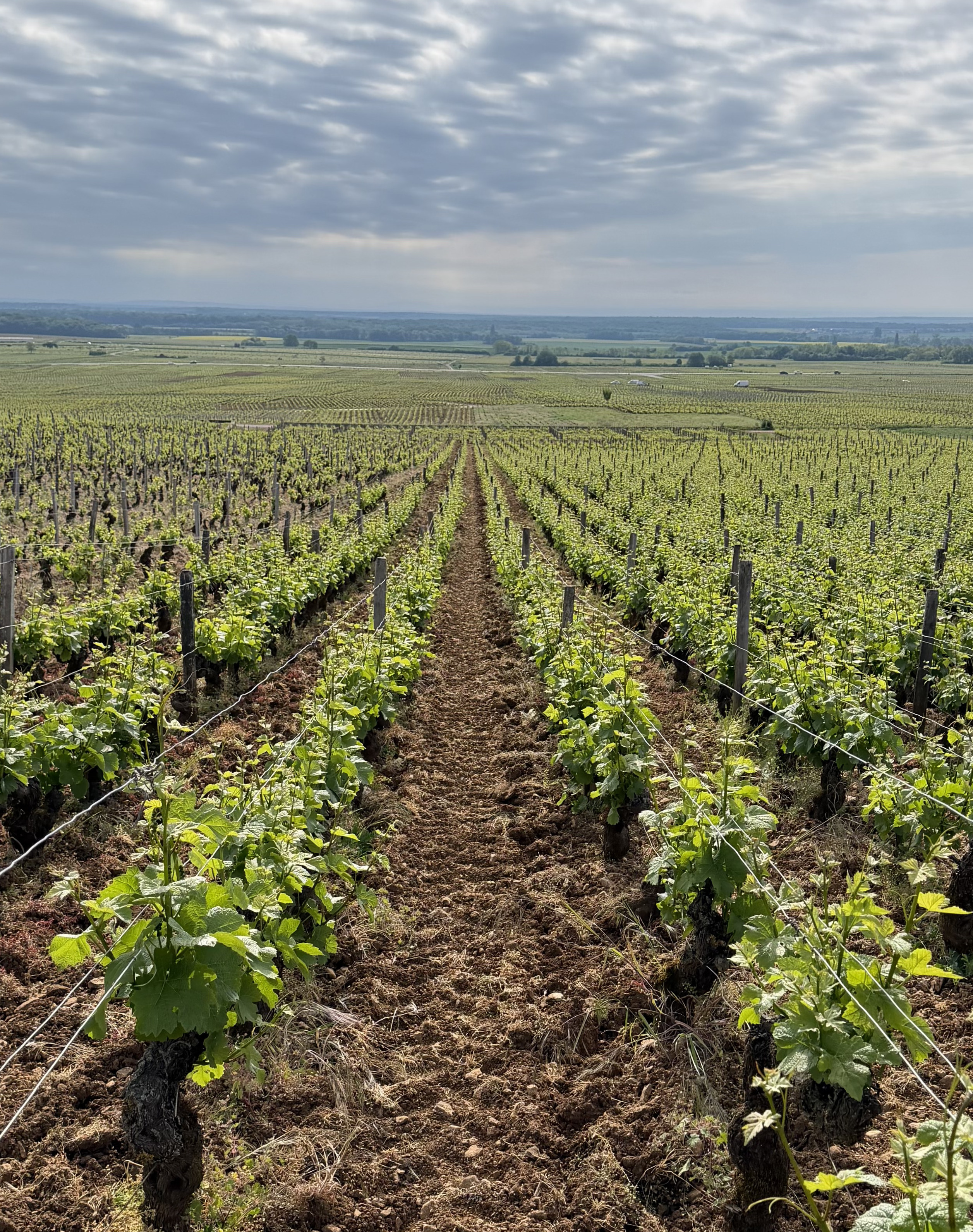
The estate practices attentive vineyard management with mechanical soil work and moderate yields, typically between 30 and 35 hectolitres per hectare depending on the vintage. Harvest is entirely manual, with strict selection. The objective is balanced ripeness, avoiding over-maturity while ensuring full phenolic development.
Whole cluster fermentation is used partially, typically between 20% and 50% depending on vintage conditions. Fermentations rely on indigenous yeasts. Maceration lasts approximately three weeks. Extraction remains controlled to preserve tannic finesse.
Wines are aged approximately 18 months in French oak barrels. New oak percentages vary by cru. Oak is integrated gradually to support structure without overshadowing terroir expression. No systematic filtration.
Domaine Robert Groffier & Fils achieves balance between refinement and depth. Les Amoureuses embodies elegance and texture. Bonnes-Mares offers structure and longevity. Chambertin asserts architectural depth and authority. Clos de Bèze emphasizes aromatic nuance and progressive complexity. Grand crus regularly age for more than twenty years, with Chambertin capable of evolving over three decades in structured vintages.
FAQ
What is the ageing potential?
Grand crus typically evolve over twenty to thirty years, with Chambertin capable of extended ageing in the best vintages.
How important is Bonnes-Mares in the range?
It acts as a bridge between Chambolle elegance and Gevrey structure, combining depth, density, and precision.