
Champagne
.jpg)
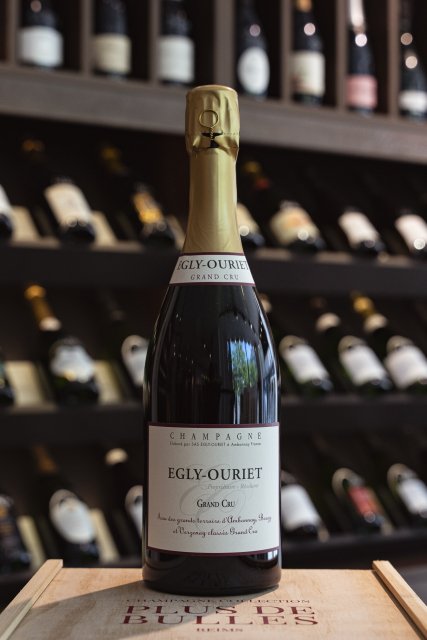
Located in Ambonnay, a Grand Cru village in the Montagne de Reims, Egly-Ouriet spans around twelve hectares with a Burgundian approach transposed to Champagne: rigorous viticulture, parcel-based vinification and extended ageing.
The domaine farms around twelve hectares, predominantly planted with Pinot Noir across Grand Cru villages such as Ambonnay, Bouzy and Verzenay, alongside Chardonnay parcels in the Côte des Blancs.
Ambonnay remains at the center of the estate's identity. Its chalk soils covered by clay produce Pinot Noir of remarkable structure, depth and ageing potential, making it one of Champagne's great terroirs for Pinot Noir.
The old vines of Ambonnay, some exceeding sixty years of age, contribute additional concentration and complexity, particularly in cuvées such as Les Crayères Vieilles Vignes. Rather than seeking richness alone, Egly-Ouriet has built its reputation on precision,texture and terroir transparency, producing Champagnes that often show a more vinous and structured profile than traditional house styles.
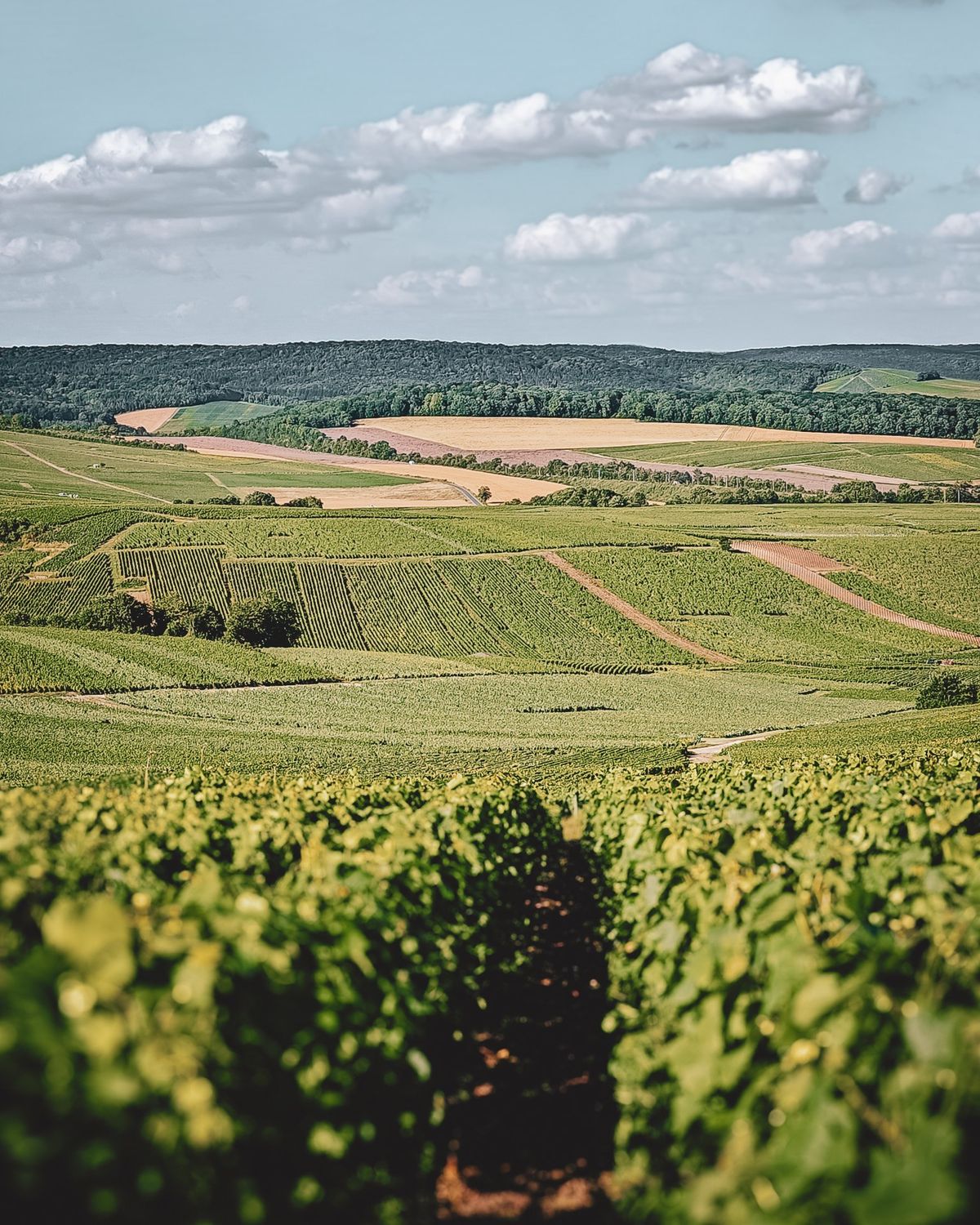
Egly-Ouriet follows a rigorous and largely organic approach focused on soil health, old vines and naturally low yields. Systemic herbicides are avoided, soils are carefully worked and certain parcels are ploughed by horse. Harvesting is carried out entirely by hand with strict grape selection.
Vinifications take place parcel by parcel, with fermentations occurring primarily in Burgundian oak barrels using indigenous yeasts. This barrel-focused approach remains relatively uncommon in Champagne and contributes texture, depth and complexity without masking terroir expression.
Extended lees ageing forms another essential part of the domaine's philosophy. Francis Egly considers timeon lees essential for complexity and integration. Even the Brut Tradition spends significantly longer on lees than required by the appellation, while prestige cuvées may remain ageing for seven to ten years before disgorgement.
Francis Egly took over the family estate, founded in 1945, and gradually built the remarkable mosaic of vineyard parcels that now forms the domaine. Over the past decades, he has transformed Egly-Ouriet from a respected family estate into one of Champagne's benchmark terroir-driven domaines through lower yields, extended lees ageing and a rigorous focus on vineyard work.
