Krug

Champagne

The only Champagne house that has never accepted the constraints of a single vintage, pursuing instead a singular and timeless idea of perfection since 1843.

A Philosophy Raised to an Art Form: Krug

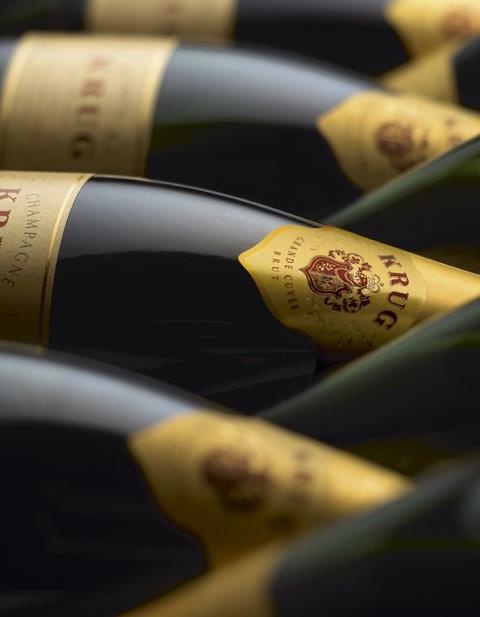
Krug embodies the absolute apex of prestige Champagne. Founded in 1843 by Joseph Krug, the Maison has never deviated from its founding principle across six generations: crafting the finest Champagne possible every year, regardless of climatic variation. Now part of LVMH, Krug is defined by a philosophy of absolute individuality, every plot harvested separately, every wine tasted and recorded, every blend assembled with the sole objective of transcending the limitations of any single vintage. The range spans from the iconic Grande Cuvée to the rarefied single-parcel cuvées Clos du Mesnil and Clos d'Ambonnay, placing Krug at the undisputed summit of collectible Champagne worldwide.

Terroirs

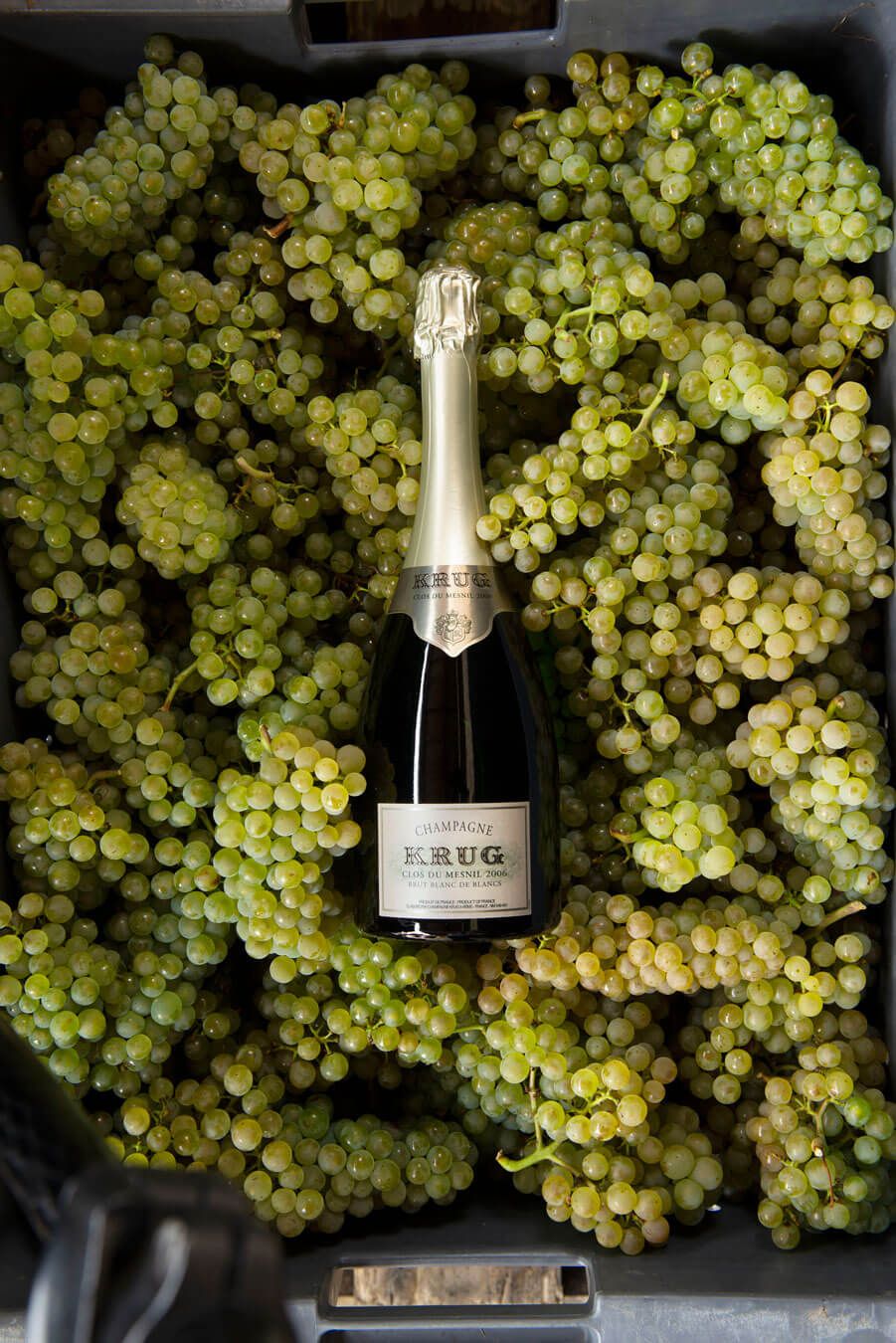
Krug sources fruit from across the three great terroir zones of the Champagne appellation: the Montagne de Reims for the depth and structure of Pinot Noir, the Côte des Blancs for the mineral precision of Chardonnay, and the Vallée de la Marne for the aromatic roundness of Pinot Meunier. Two parcels have achieved legendary status. Clos du Mesnil, a walled 1.84-hectare parcel in Le Mesnil-sur-Oger, produces a Blanc de Blancs of extraordinary mineral precision from one of the greatest Grand Cru Chardonnay terroirs in Champagne. Clos d'Ambonnay, just 0.68 hectares in the Grand Cru village of Ambonnay, yields a Blanc de Noirs of exceptional depth, produced in quantities rarely exceeding 3,000 bottles per vintage.

Viticulture

Krug works with carefully selected growers across the Champagne region, supplemented by its own estate vineyards including the two walled parcels. Each plot is treated as an individual entity, harvested and vinified separately, with no hierarchy applied between villages or varieties. Understanding and respecting the character of each parcel is considered as essential as any decision made in the cellar.

Vinification

Fermentation at Krug takes place exclusively in small oak barrels of 205 litres, crafted from Argonne forest oak and averaging 35 years of age, a practice abandoned by virtually every other major Champagne house but maintained by Krug as an irreplaceable source of texture and complexity. No malolactic fermentation is systematic. Cellar Master Julie Cavil and her tasting committee generate around 5,000 tasting notes per harvest before any blending decisions are made.

Élevage

Krug Grande Cuvée is assembled from over 120 individual wines from more than ten different years, with reserve wines accounting for 30 to 50 percent of the blend, and cellared for a minimum of six to seven years before release. Krug Vintage is aged for at least ten years before disgorgement. Krug Collection offers late-disgorged vintages rested for twenty-five years or more. Very low dosage is applied across the range.

Style and Ageing Potential

Krug is defined by generosity and depth. Grande Cuvée unfolds in layers of toasted brioche, stone fruit, almond, honey and dried citrus, carried by a creamy texture born of barrel fermentation and extended lees ageing. Krug Vintage adds structure and precision. Clos du Mesnil and Clos d'Ambonnay achieve a concentration that places them alongside Salon as the most compelling single-terroir Champagne expressions produced anywhere. Ageing potential ranges from fifteen to twenty-five years for Grande Cuvée, twenty to forty years for Vintage, and potentially longer for the single-parcel cuvées.

FAQ

What makes Krug Grande Cuvée different from a vintage Champagne?
It transcends the notion of vintage, blending over 120 wines from more than ten years. Each release is designated a numbered Édition, fully traceable to its specific blend and base harvest year.

Why does Krug ferment in oak barrels?
The 205-litre Argonne oak barrels contribute a texture and aromatic complexity that stainless steel cannot replicate, a commitment maintained since 1843 and abandoned by virtually every other prestige Champagne house.

What is Krug iD?
A unique six-digit code on each bottle that, when entered at krug.com, reveals the blend composition, Cellar Master tasting impressions and food pairing suggestions for that specific bottle.

How rare is Krug Clos d'Ambonnay?
Produced from just 0.68 hectares in Ambonnay Grand Cru, typically between 2,000 and 3,000 bottles per vintage, it is among the rarest prestige Champagnes in the world, rivalled in scarcity only by Salon.

When does Krug reach its peak?
Grande Cuvée peaks from eight to ten years after release, evolving for fifteen to twenty-five years. Vintage reaches its peak between fifteen and thirty years, while single-parcel cuvées can evolve gracefully for several decades.