Champagne
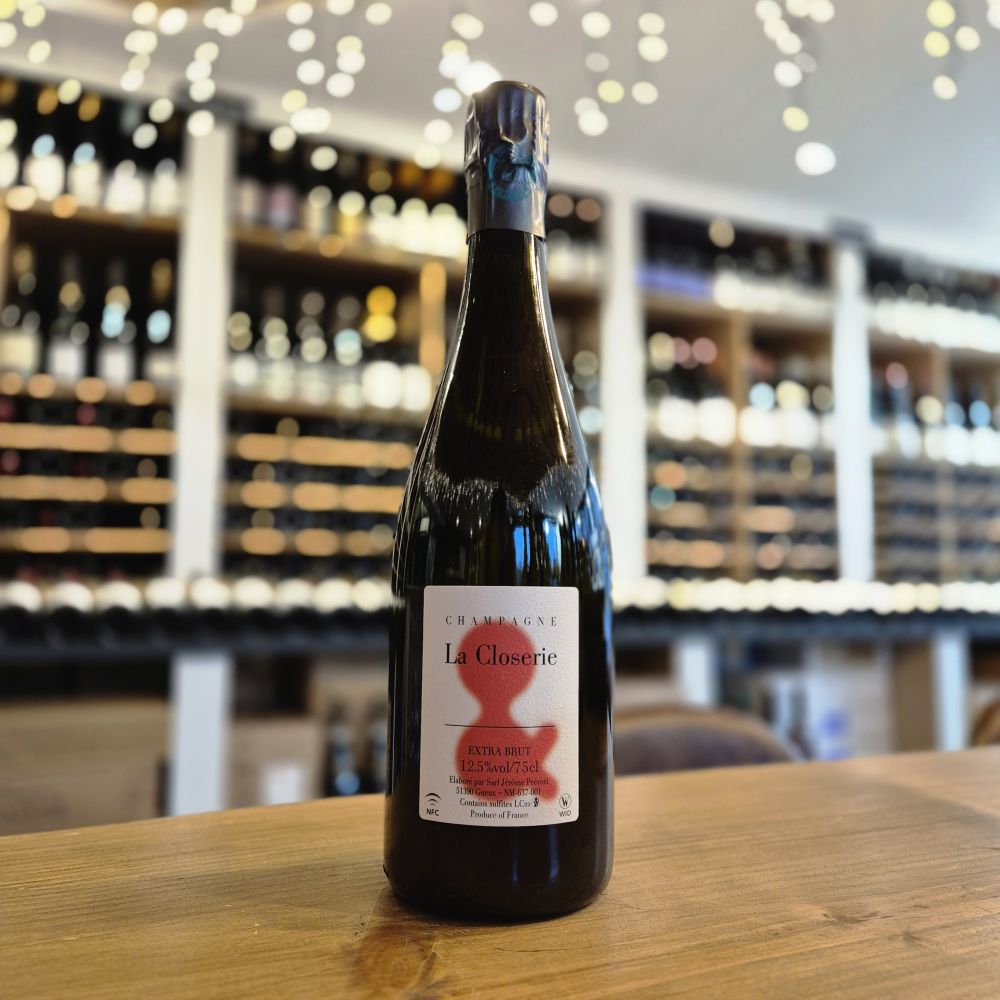
At La Closerie, in the village of Gueux on the western edge of the Montagne de Reims, Jérôme Prévost has created one of the most singular and sought-after expressions of Pinot Meunier Champagne. Since taking over the family vineyard in 1998, Prévost has deliberately chosen precision over expansion, limiting production to just two hectares and focusing entirely on terroir-driven grower Champagne.
The reputation of La Closerie is built around one iconic vineyard: Les Béguines. This 2-hectare single vineyard, planted entirely to Pinot Meunier, has become one of the reference sites for artisanal and terroir-focused Champagne.
In a region historically shaped by blending and large houses, Jérôme Prévost chose the opposite path: one vineyard, one grape variety, and extremely limited production. This approach has positioned La Closerie among the most collectible grower Champagne estates in the world.
Located in Gueux, near Reims, Les Béguines benefits from south and south-east exposures that promote slow and balanced ripening while preserving freshness and acidity. The terroir combines sandy topsoils, chalk-rich subsoils and pockets of clay, giving the wine its distinctive balance between immediate fruit expression and saline minerality.

.jpg)
At La Closerie, every decision follows a minimalist and low-intervention philosophy designed to preserve the identity of the terroir. Harvesting is carried out by hand, fermentations occur with indigenous yeasts, and the wines are aged in used barrels and demi-muids to maintain purity and texture rather than emphasise oak influence.
Extended lees ageing and minimal dosage place La Closerie among the leading references for Brut Nature Champagne. The wines are defined less by power than by energy, tension and persistence.
Aromatically, the Champagnes often reveal notes of white peach, dried flowers, citrus oil, chalk and saline minerality. Despite their immediacy in youth, the wines possess the structure and acidity required for long ageing, evolving beautifully over fifteen yearsor more.
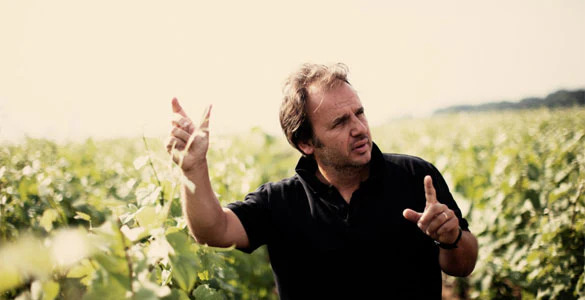
Jérôme Prévost is one of the most influential and singular figures of the modern grower Champagne movement. His trajectory is closely linked to Anselme Selosse, who became both mentor and catalyst in the early years of the project, encouraging Prévost to vinify his own wines and shaping his understanding of terroir-driven Champagne. Jérôme Prévost quickly developed a style that became entirely his own: more restrained, more linear, often more saline and discreetly powerful. He is also known for his almost obsessive attention to detail and his refusal to expand significantly despite growing international demand. Within Champagne today, Jérôme Prévost occupies a unique position: not a large house, not a conventional récoltant-manipulant, but a reference point for a generation of growers who view Champagne as a wine of place, texture and emotion.