Loire
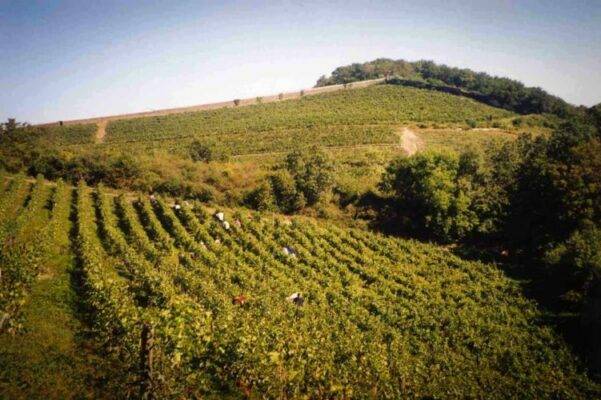
Nicolas Joly and Coulée de Serrant stand as the definitive reference point for biodynamic viticulture in France and for the finest dry Chenin Blanc in the world. The estate farms a 7-hectare monopole AOC, the only vineyard worldwide with its own exclusive appellation, on a steep south-facing slope above the Loire where Chenin Blanc reaches an unmatched expression.
The vineyard lies on steep gravelly slopes with optimal south-west exposure, capturing both light and warmth while maintaining natural balance. Beneath the surface, schist and blue slate dominate, imprinting the wines with a distinct mineral signature characteristic of the finest Loire Valley Chenin Blanc.
What sets Coulée de Serrant apart is also its continuity. Vines have been cultivated here since 1130, planted by Cistercian monks, with nearly nine centuries of uninterrupted production. This long history has created soils shaped by generations of equilibrium between plant, soil and climate, a depth of terroir heritage unrivalled among French wine monopoles.
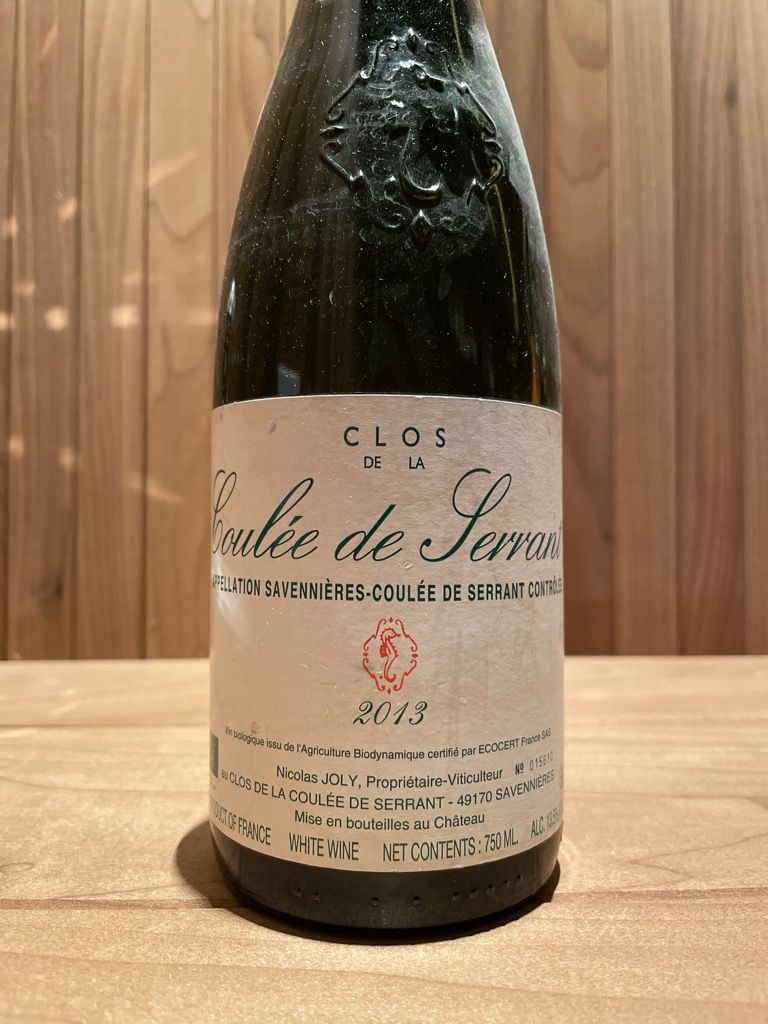
The domaine produces three wines: Coulée de Serrant, the monopole AOC, forms the core of the estate, drawn from the oldest and most complex parcels. Savennières Roche aux Moines offers a distinct expression from an adjacent sector, often slightly more open in its youth. Clos de la Bergerie completes the range with a more immediately accessible reading of the domaine's terroirs.
Converted to biodynamic farming in 1984, the estate was among France's first vineyards to embrace this approach. The entire seven hectares are farmed strictly biodynamically and Demeter certified, excluding all synthetic inputs. Preparations such as hornmanure and composts are applied in accordance with lunar cycles, not as doctrine but as a framework for observation.
The vineyard is planted with vines aged between 35 and 80 years, contributing depth and aromatic complexity to the wines. Yields remain low, around 25 to 30 hectolitres per hectare, and harvests are carried out late to ensure full phenolic maturity while preserving natural balance.
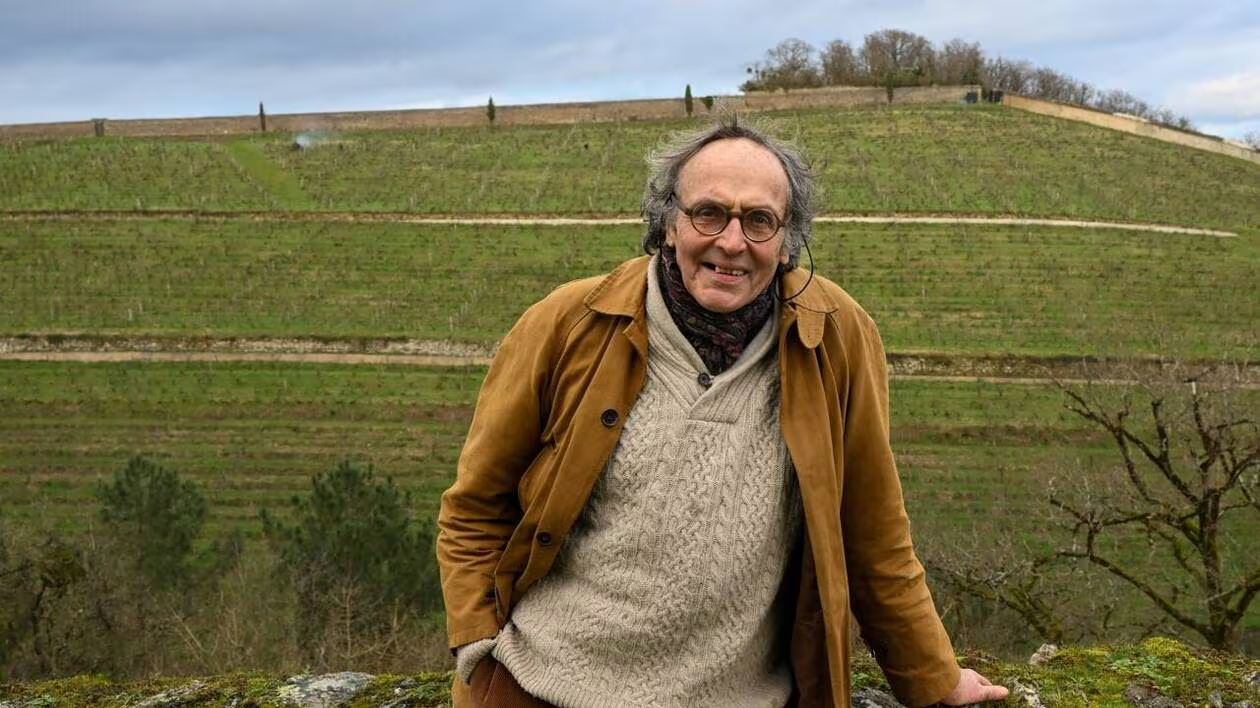
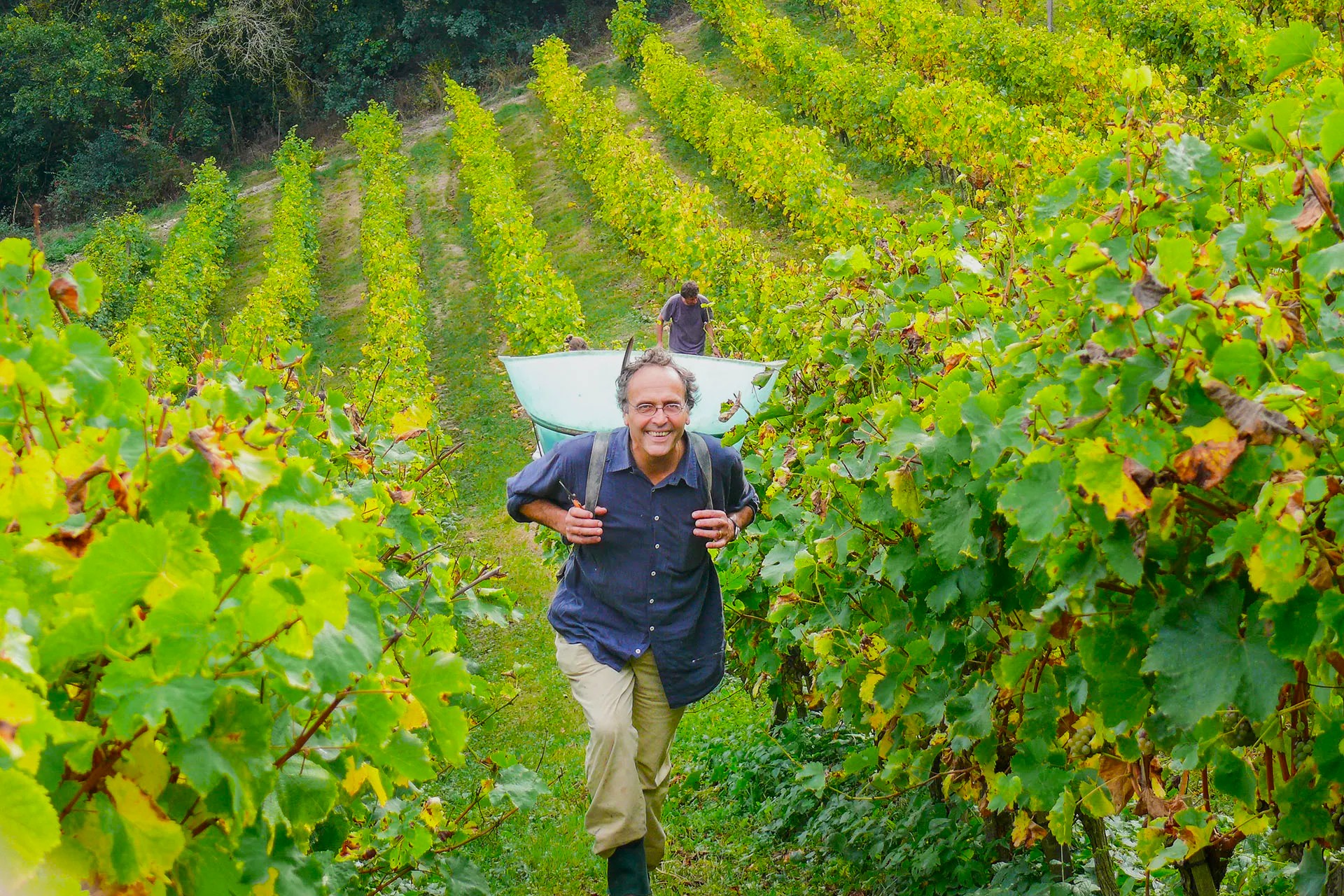
Nicolas Joly is a former banker in New York and London who returned to the Loire to take over Coulée de Serrant and became the most influential advocate for biodynamic viticulture in France. He has written several reference books on biodynamic farming and has played a defining role, alongside Demeter International, in establishing the standards by which this approach is practised worldwide. His influence extends from the Loire to the finest biodynamic estates in Burgundy, Bordeaux and beyond.